
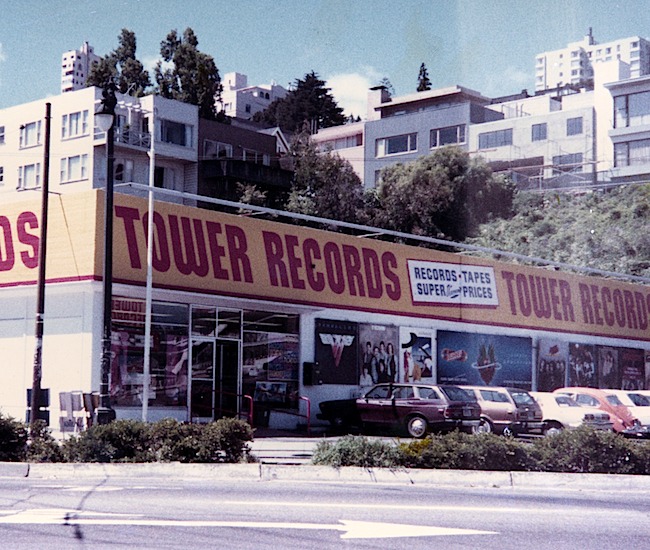
A great record store once felt less like a shop and more like a Saturday plan. The Music Business Collapse around Tower Records shows how fast that plan can vanish when buying habits, debt, pricing, and discovery all shift at the same time. Tower did not fail because Americans stopped caring about music. They cared so much that they followed it into cheaper aisles, file-sharing networks, iPods, subscriptions, and phones. For readers tracking brands, retail trust, and public market visibility, Tower is still one of the sharpest U.S. business lessons hiding inside pop culture. The chain gave fans choice, staff taste, late-night browsing, import racks, magazine-style discovery, and a feeling that music had a public home. Streaming replaced much of that with access. Better access, in many ways. But access came with a trade: less ownership, less place, less memory, and a weaker bond between buying music and belonging somewhere.
Why the Music Business Collapse Felt Inevitable After the Shelves Stopped Moving
Tower’s fall looks sudden from the outside because the final scene was dramatic: liquidation signs, picked-over CD bins, and stores closing across the country. Inside the business, the pressure had been building for years. A chain built around deep inventory needed people to buy albums at store prices often enough to pay rent, staff, debt, suppliers, and freight. Once that rhythm cracked, love from customers could not cover the math.
The deeper issue was speed. Music fans did not change all at once. They changed one small habit at a time. First they compared prices. Then they downloaded a few songs. Then they bought fewer full albums. By the time those habits became obvious on a balance sheet, Tower had too much weight to turn lightly.
Debt Turned Slow Change Into a Fast Crisis
Russ Solomon started Tower in Sacramento in 1960, and the company later became a rare music chain with both size and personality. That combination made it feel stronger than it was. A store could be packed on a Friday night and still carry weak margins if too many shoppers treated the aisles as a museum before buying elsewhere.
The non-obvious part is that Tower’s danger was not only digital music. It was timing. The company had expanded, carried heavy costs, and faced a market where CD sales no longer behaved like a dependable machine. A slow sales slide can be survivable for a lean shop. For a large chain, the same slide can turn into a cash squeeze.
The Los Angeles Times reported in 2006 that Tower had filed for Chapter 11 in 2004, filed again in August 2006, and owed creditors about $210 million when the liquidation process began. That is the hard edge of the story. A beloved brand can run out of room before it runs out of fans.
Supplier confidence matters in retail because inventory is oxygen. Once major music companies stopped sending CDs on normal terms, Tower’s shelves became a public sign of private trouble. Customers may forgive a messy store. They rarely forgive a store that no longer seems able to get the thing they came to buy.
Discount Stores Made the Same Album Feel Cheaper
The record store decline did not come from one villain. Big-box retailers hurt Tower long before streaming became the main habit. A teenager in Ohio or Texas could see a new release at Walmart, Target, or Best Buy for less than the price at a specialty music store. The album was the same. The feeling around it was not.
Tower sold context. The discount aisle sold price. When money gets tight, price wins more often than culture wants to admit. A customer might prefer Tower’s staff picks and deep catalog, then still grab the new release while buying school supplies or a DVD player.
That shift mattered because CDs had carried fat expectations. During the CD boom, labels and retailers enjoyed a format upgrade cycle as fans replaced vinyl and cassette collections. Once that upgrade wave faded, stores had to live on normal demand. Normal demand was not enough for huge rent, wide stock, and national scale.
The trap was emotional. Tower’s strongest customers could explain why the store mattered, but weaker customers paid the bills too. Casual buyers do not always want a richer experience. Often, they want the new hit album at the lowest safe price. That quiet truth did as much damage as any headline about piracy.
Tower Sold Discovery, Not Plastic Discs
Once you see Tower as a discovery business, the story gets sadder and more useful. It was not only a place to buy an album. It was where people learned what kind of listener they were becoming. That is why its collapse still feels personal to many Americans who grew up near a store in California, New York, Massachusetts, Virginia, Illinois, or any market big enough to support a serious music crowd.
This is where the digital music shift cut deeper than sales. A store can lose some transactions and remain meaningful. It cannot lose its role in discovery without becoming easier to replace. Tower’s promise was that the next record you needed might be hiding two bins away from the one you came for.
The Browser Aisle Was a Social Product
Tower’s aisles worked like a feed before feeds existed. New releases faced forward. Imports sat beside domestic albums. A staff card could push you toward a jazz record you never came in to buy. Posters, magazines, headphones, and overheard opinions did part of the selling.
The difference was friction. You had to move through the store. You had to touch the case, read the back, compare prices, and decide if the risk felt worth it. That friction made discovery slower, but it also made it stick. A blind buy from a clerk’s tip could become part of your identity because you spent money and time on it.
The digital music shift removed much of that weight. That helped listeners sample more songs with less regret. It also made music feel easier to abandon. When every track sits one tap away from the next, patience becomes harder to train.
Think about the old listening station. It was not perfect. Headphones were worn, lines formed, and you heard what the store chose to load. Yet that limit created focus. A narrow doorway can make attention stronger than an open field.
Local Taste Beat National Inventory Planning
Tower’s best stores felt local even when the chain was global. The Sunset Strip store had a different charge from a suburban mall store. A serious classical section in one city, a deep hip-hop rack in another, and a strong local music shelf somewhere else could make the same logo feel alive.
That was not decoration. It was retail intelligence. Local staff could read the room in a way a central spreadsheet never fully could. A clerk who knew which punk 7-inch would sell after a small club show had a kind of market data that did not fit neatly into a quarterly meeting.
Here is the counterintuitive lesson: Tower’s human messiness was part of its value, but it also made the chain harder to control when conditions worsened. Deep catalog made fans loyal. Deep catalog also tied up cash. Local personality made stores loved. Local variation also made costs harder to tame. The thing that made Tower special could not easily protect it once the purchase path moved away from the store.
A small shop can live with odd corners because those corners become charm. A national chain has to explain those corners to lenders, landlords, and suppliers. Tower lived between both worlds. It had the soul of a local hangout and the bills of a large retailer.
Streaming Replaced the Store Clerk With the Feed
Streaming did not replace Tower in a clean one-for-one swap. It replaced several jobs at once: the rack, the clerk, the listening station, the radio tip, the import hunt, the magazine review, and the friend who burned you a CD. That is why the change feels larger than a retail story. It rewired how Americans find songs, value albums, and think about paying for recorded sound.
The streaming music economy also changed the unit of attention. Tower wanted you to leave with an album. Streaming wants you to keep listening. Those goals sound close, but they reward different behavior. One prizes commitment. The other prizes continuation.
The Subscription Trained Buyers to Stop Owning
The streaming music economy changed the emotional contract. In Tower’s prime, buying music meant taking something home. You owned a case, booklet, disc, receipt, and memory of the place you bought it. That ownership made the purchase feel final, even if the album disappointed you.
A subscription feels lighter. It gives you more music than any Tower store could hold, often for less than the price of one old CD per month. For many listeners, that is an easy win. It puts old soul, regional rap, indie rock, film scores, kids’ music, and new pop in the same pocket.
But the price of that win is a weaker sense of commitment. Saving an album to a library is not the same as carrying it to a register. Artists gained reach and lost some of the old purchase drama. Fans gained range and lost some of the old ritual.
The album did not disappear, but its default setting changed. For a buyer, an album once asked for a decision. For a streamer, it often asks for a chance. That sounds kinder to the listener. For artists, it can make the first thirty seconds of a song feel like the new front door.
Algorithms Changed the Meaning of Discovery
A Tower clerk might ask what you already liked, then take a chance on what you might love. A streaming platform watches what you play, skip, repeat, and save. Both can guide taste. Only one turns that guidance into constant behavioral feedback.
That changed the center of power. In the store era, shelf space mattered. In the streaming era, playlist placement, recommendation systems, short-form video sparks, and fan data can shape attention faster than a front-of-store display ever could. The gate did not disappear. It moved.
The RIAA’s 2025 Year-End Music Industry Revenue Report shows how far the U.S. market has traveled, with wholesale recorded music revenue reaching a new high in 2025 and streaming sitting at the center of that modern engine. That does not mean the new model solved every problem. It means the money found a new route after the old route broke.
The strange part is that discovery can now feel both broader and narrower. You can hear a bedroom pop act from Oregon, a gospel song from Atlanta, and a 1970s Brazilian track before lunch. You can also get trapped inside a loop of songs that resemble what you already played. The old store clerk could be wrong in a human way. The feed can be right in a way that makes your taste smaller.
What Small Businesses Should Learn From a Chain People Loved
Tower matters beyond music because it proves affection is not the same as control. People can love your business and still change how they buy. They can praise your experience and still pick the cheaper, faster, easier path when habit pulls them there. That is rough. It is also the part every U.S. small business owner should study.
For a local retailer, agency, publisher, or service company, Tower’s lesson is not trapped in 2006. The same pattern shows up whenever customer attention moves faster than the owner’s model. The danger starts when people still compliment the brand while giving the transaction to someone else.
A Beloved Brand Can Still Lose the Purchase Moment
The key business mistake is assuming the customer’s favorite place remains the customer’s chosen transaction. Those are different things. Someone can love a bookstore but order online at midnight. Someone can love a diner but choose delivery. Someone can love a record shop but stream the album on the ride home.
Tower owned emotion. It slowly lost convenience, price, and format. Once those three moved away from the store, the brand had to work harder to make each visit feel necessary. Nostalgia helped, but nostalgia rarely pays invoices on time.
This is where a modern owner needs a sharper map. A shop, service firm, media site, or local brand should ask where the customer’s decision now happens. Search results? Social video? A marketplace? A review page? A group chat? That question belongs beside any small business brand strategy, because the warmest brand story fails when it lives far from the buying moment.
The practical test is simple. Watch what customers praise, then watch where they pay. If those places separate, the business has a warning light. Tower had cultural praise long after the old purchase machine started cracking.
Physical Retail Needs a Reason Beyond Stock
The record store decline also warns against selling inventory as if inventory itself is rare. Stock stops being enough once customers can find the same item anywhere. A physical business then needs a reason the visit matters: advice, community, repair, lessons, events, curation, membership, local access, or speed that digital cannot copy.
Independent record stores learned this better than many chains. Some survived by going smaller, sharper, and more event-driven. Record Store Day, in-store performances, used bins, limited pressings, and staff-led taste gave shoppers reasons to show up. That did not rebuild the old national CD empire. It created a different kind of value.
Tower’s lesson for today’s owners is not “avoid technology.” That reading is too lazy. The better lesson is to decide which part of your value must stay human, then protect it with a business model that can still make money when the customer’s default habit changes. Tie that thinking to digital platform revenue models, and the warning becomes less nostalgic and more practical.
A store can still win when it acts like a place, not a warehouse. A service business can still win when it gives judgment, not a menu. The point is to make the human layer earn its keep, because the market will not fund atmosphere by itself.
Conclusion
Tower Records did not vanish because music lost its pull. It vanished because the old store model depended on ownership, album pricing, supplier credit, foot traffic, and physical discovery staying aligned. Once those pieces split apart, the chain’s famous personality could not hold the roof up by itself.
The Music Business Collapse around Tower also reminds us that replacement is rarely total. Streaming replaced the main transaction, but it did not fully replace the thrill of a room full of people chasing sound. Vinyl’s comeback, small shop loyalty, artist merch, and live events all point to the same truth: people still want music to feel tangible when the moment matters.
For business owners, the useful lesson is blunt. Do not confuse love with lock-in. Build the part of your company customers cannot get from a cheaper channel, then make the buying path fit how they act now. Study Tower, respect what it built, and let its ending push your own brand to change before the market changes for you.
Frequently Asked Questions
Why did Tower Records close in the United States?
Tower closed its U.S. stores after bankruptcy and liquidation in 2006. Falling physical music sales, heavy debt, online downloading, supplier pressure, and competition from big-box retailers all squeezed the chain. The brand had loyal fans, but the business model could not keep up.
Was streaming the only reason Tower Records failed?
No. Streaming became dominant later, but Tower was already weak from debt, discount retail pressure, file sharing, declining CD sales, and high operating costs. Streaming finished the larger shift away from ownership, yet the chain’s financial trouble started before subscriptions became the main listening habit.
What did Tower Records do better than modern music apps?
Tower made discovery feel physical and social. Staff picks, deep sections, imports, magazines, posters, and local store culture helped fans build taste with more intention. Apps offer more access, but they often turn discovery into a fast scroll rather than a lasting memory.
How did digital music change record stores?
Digital music made songs easier to sample, copy, buy, or stream without visiting a store. That weakened the need for large CD inventories. Record stores that survived often shifted toward vinyl, used music, events, rare releases, and community rather than mass-market album sales.
Is Tower Records still in business today?
The original U.S. store chain closed after liquidation in 2006. The name later returned as an online retail brand, but that is not the same as the old national chain with large physical stores across major American markets.
What can small businesses learn from Tower Records?
Customer love does not guarantee repeat purchases. A business must stay close to the place where customers decide and pay. If price, habit, and convenience move elsewhere, even a famous brand needs a new reason for people to choose it.
Did streaming help or hurt the music industry?
It did both. Streaming helped restore recorded music revenue and gave listeners vast access. It also changed artist payouts, weakened album ownership, and made attention harder to hold. The model works for reach, but it rewards constant engagement more than old-style purchase loyalty.
Are physical record stores still worth opening?
Yes, if the store offers more than stock. A strong shop needs curation, events, used inventory, rare pressings, local trust, and a clear community role. Competing with streaming on access is a losing fight. Competing on experience can still work.