
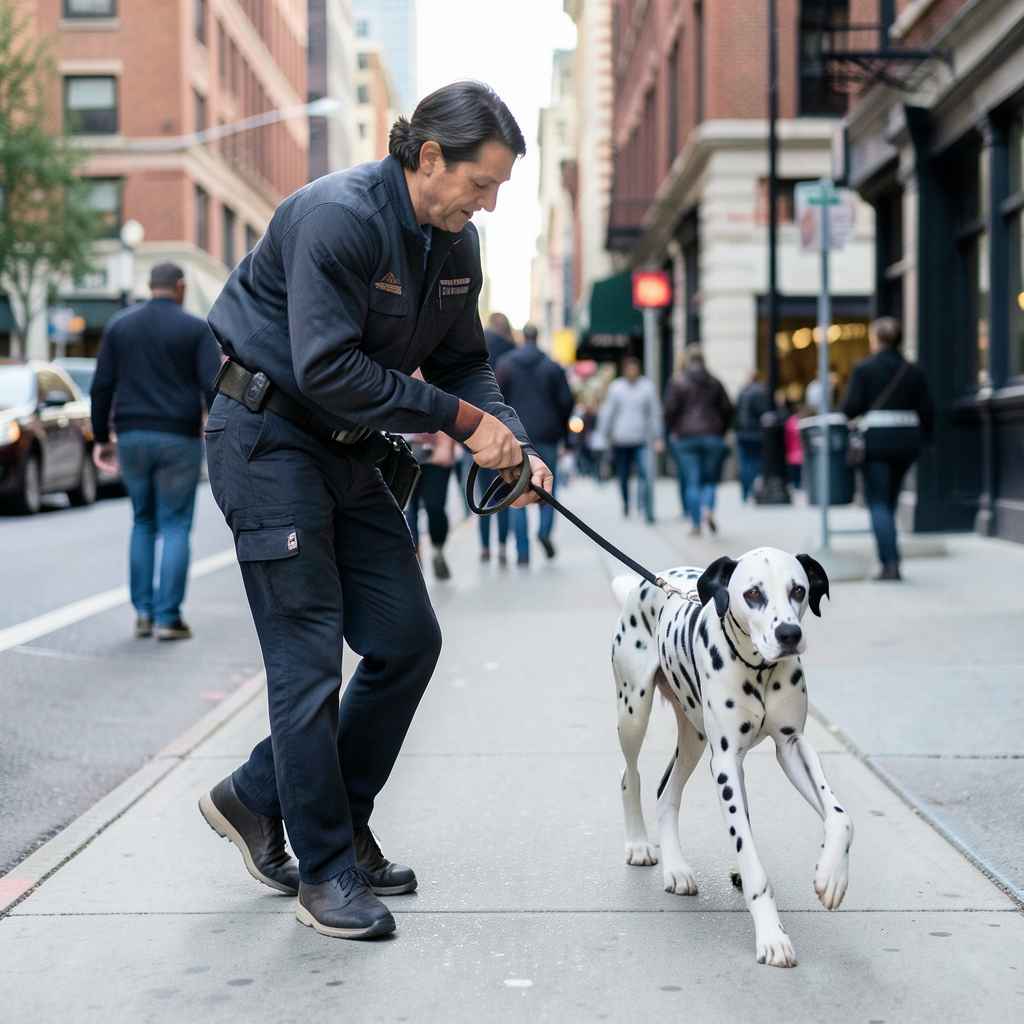
A well-behaved dog is not just easier to manage, it is a happier, more confident companion. Effective dog behavior training helps owners understand their pets, improve communication, and create a healthier relationship built on trust and consistency.
Many unwanted behaviors, such as excessive barking, jumping, chewing, leash pulling, or anxiety, are not signs of a “bad dog.” They are often signals that a dog needs guidance, structure, and positive reinforcement. With the right approach, owners can address these challenges while helping their dogs develop better habits.
At Rob’s Dog Training, the focus is on creating practical training solutions that support both dogs and their owners. A successful training plan does more than correct behavior, it strengthens the connection between pets and families.
Why Dog Behavior Training Matters
Dogs learn through experiences, routines, and interactions with their environment. Without proper guidance, they may develop behaviors that become difficult for owners to manage over time.
Professional dog behavior training provides a structured way to teach dogs appropriate responses while helping owners understand what their pets need.
Some common reasons owners seek behavior training include:
- Aggression or fear-based reactions
- Separation anxiety
- Excessive barking
- Poor leash manners
- Jumping on people
- Destructive chewing
- Lack of focus or impulse control
Training is not about punishment. Modern approaches focus on rewarding positive behaviors, building confidence, and creating clear communication between dogs and humans.
A trained dog is often more comfortable in different situations because they understand expectations and feel secure with their owner’s direction.
Understanding the Root Cause of Problem Behaviors
One of the biggest mistakes dog owners make is focusing only on the behavior itself instead of identifying why it happens.
For example, a dog that barks constantly may not simply be “being noisy.” The barking could be caused by boredom, fear, excitement, territorial instincts, or a lack of proper socialization.
Effective training starts by asking:
- What triggers the behavior?
- How does the dog respond?
- What reward is the dog receiving from the behavior?
- What training method can replace the unwanted habit?
By understanding the cause, owners can create a better strategy for long-term improvement.
This approach is especially important for dogs with anxiety, confidence issues, or reactive behaviors. A professional trainer can help identify patterns and develop techniques that match the dog’s personality and needs.
The Role of Positive Reinforcement in Dog Training
Positive reinforcement is one of the most effective tools in modern dog training. Instead of focusing on mistakes, this method encourages dogs to repeat behaviors that receive positive outcomes.
Examples of positive reinforcement include:
- Giving treats for following commands
- Praising calm behavior
- Rewarding good leash walking
- Encouraging focus during distractions
When dogs understand what behaviors lead to rewards, they become more willing to learn.
Consistency is key. Training should become part of everyday life, not just something that happens during scheduled sessions. Simple activities like asking a dog to sit before meals or wait before going outside can reinforce obedience skills.
Over time, these small moments create lasting habits.
Building Better Communication Between Dogs and Owners
Dogs communicate differently from humans. They rely on body language, sounds, and patterns to express emotions and needs.
A major part of dog behavior training involves helping owners recognize these signals.
For example, a dog may show stress through:
- Avoiding eye contact
- Excessive licking
- Pacing
- Hiding
- Growling as a warning
Learning these signs allows owners to respond appropriately before problems escalate.
Training is a two-way process. Dogs learn commands, while owners learn how to communicate clearly. This teamwork creates trust and reduces frustration for both sides.
Puppy Training Creates Strong Foundations
Early training plays an important role in a dog’s development. Puppies are naturally curious and constantly learning from their surroundings.
Introducing basic obedience skills early can prevent many future behavior issues.
Important puppy training areas include:
- Potty training
- Socialization
- Basic commands
- Bite inhibition
- Calm behavior around people and animals
Socialization is especially valuable. Puppies exposed to different environments, sounds, and experiences in a positive way often become more confident adult dogs.
However, training does not stop after puppyhood. Older dogs can also learn new behaviors with patience and the right techniques.
Common Dog Training Mistakes to Avoid
Many owners have good intentions but accidentally reinforce unwanted behaviors.
Some common mistakes include:
Inconsistent Rules
If a behavior is allowed sometimes but corrected at other times, dogs may become confused. Clear and consistent expectations help dogs learn faster.
Lack of Mental Stimulation
Dogs need more than physical exercise. Mental challenges such as training games, puzzle toys, and obedience practice help reduce boredom-related behaviors.
Expecting Instant Results
Behavior changes take time. Dogs need repetition and patience to build reliable habits.
Using Fear-Based Methods
Harsh corrections may create stress and damage trust. Training should focus on communication, encouragement, and helping dogs succeed.
How Professional Dog Behavior Training Helps
Every dog has unique experiences, personality traits, and learning abilities. A professional trainer can create a customized approach based on the dog’s specific challenges.
Working with experienced trainers can help owners:
- Understand their dog’s behavior
- Learn effective training techniques
- Improve obedience
- Address challenging habits safely
- Build confidence and trust
The goal is not simply a dog that follows commands. The goal is a balanced companion that can enjoy everyday life with the family.
Rob’s Dog Training helps owners develop practical skills that create positive changes at home. Through personalized guidance and proven training strategies, families can build stronger relationships with their pets.
Creating a Lifetime of Good Behavior
Training is an ongoing journey. Dogs continue learning throughout their lives, and regular practice keeps skills strong.
A few simple habits can support long-term success:
- Practice commands daily
- Reward positive choices
- Provide proper exercise
- Maintain routines
- Continue social experiences
The strongest results happen when training becomes part of the relationship between owner and dog.
A well-trained dog is not created through one session, it is built through patience, understanding, and consistent guidance.
The Importance of Consistent Training
Effective dog behavior training gives dogs the tools they need to succeed while helping owners create a happier home environment. By focusing on communication, positive reinforcement, and understanding the reasons behind behaviors, families can solve challenges and strengthen their bond.
Whether you are dealing with basic obedience issues or more complex behavior concerns, the right training approach can make a meaningful difference. Rob’s Dog Training provides expert guidance to help dogs become confident, well-adjusted companions.
Visit Rob’s Dog Training to learn more about building better behavior and a stronger connection with your dog at robsdogs.